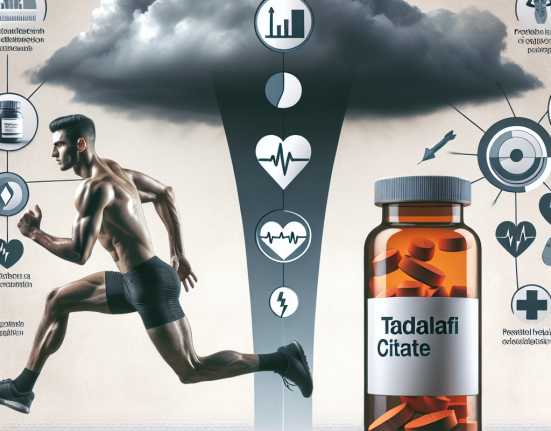
In the world of athletics, performance enhancement is a crucial factor that can determine success. Athletes often seek various methods to gain a competitive edge, and the use of anabolic steroids has become a common practice. One such category of steroids that athletes often prefer are oils with a short half-life. But why is this the case? Let’s delve into the reasons behind this preference.
The sports pharmacology shop drostanolonebuy.com helps you select the optimal anabolic steroid cycle and delivers it in the shortest possible time.
Reasons Athletes Prefer Short Half-Life Oils
- Quick Action: Oils with a short half-life can enter the bloodstream more rapidly. This allows athletes to experience the effects of the steroids in a shorter period, leading to quicker gains in strength and performance.
- Control Over Dosage: With shorter half-lives, athletes have the advantage of fine-tuning their dosages more precisely. This means they can adjust their intake based on their training cycles and recovery times.
- Reduced Detection Times: Short half-life steroids are metabolized and eliminated from the body more quickly, which can help athletes avoid detection in drug tests. This is particularly important in competitive sports where anti-doping regulations are strict.
- Less Risk of Long-term Side Effects: Athletes often prefer using short-acting substances because they can minimize the risk of long-term side effects associated with prolonged steroid use. By cycling their intake, they can manage the impact on their bodies more effectively.
- Flexibility in Training: Athletes can time their steroid cycles around their competitions and training schedules. This flexibility allows them to maximize their performance during crucial periods.
In conclusion, the preference for oils with a short half-life among athletes can be attributed to their rapid action, better dosage control, reduced detection risk, minimized potential side effects, and greater flexibility in training. As the landscape of sports science continues to evolve, understanding these preferences becomes essential for both athletes and those supporting them in their quest for optimal performance.